
Field Notes / South Iceland
The South Coast
After the Famous Stops
Six places, quieter details and a different way to experience Iceland’s South Coast.
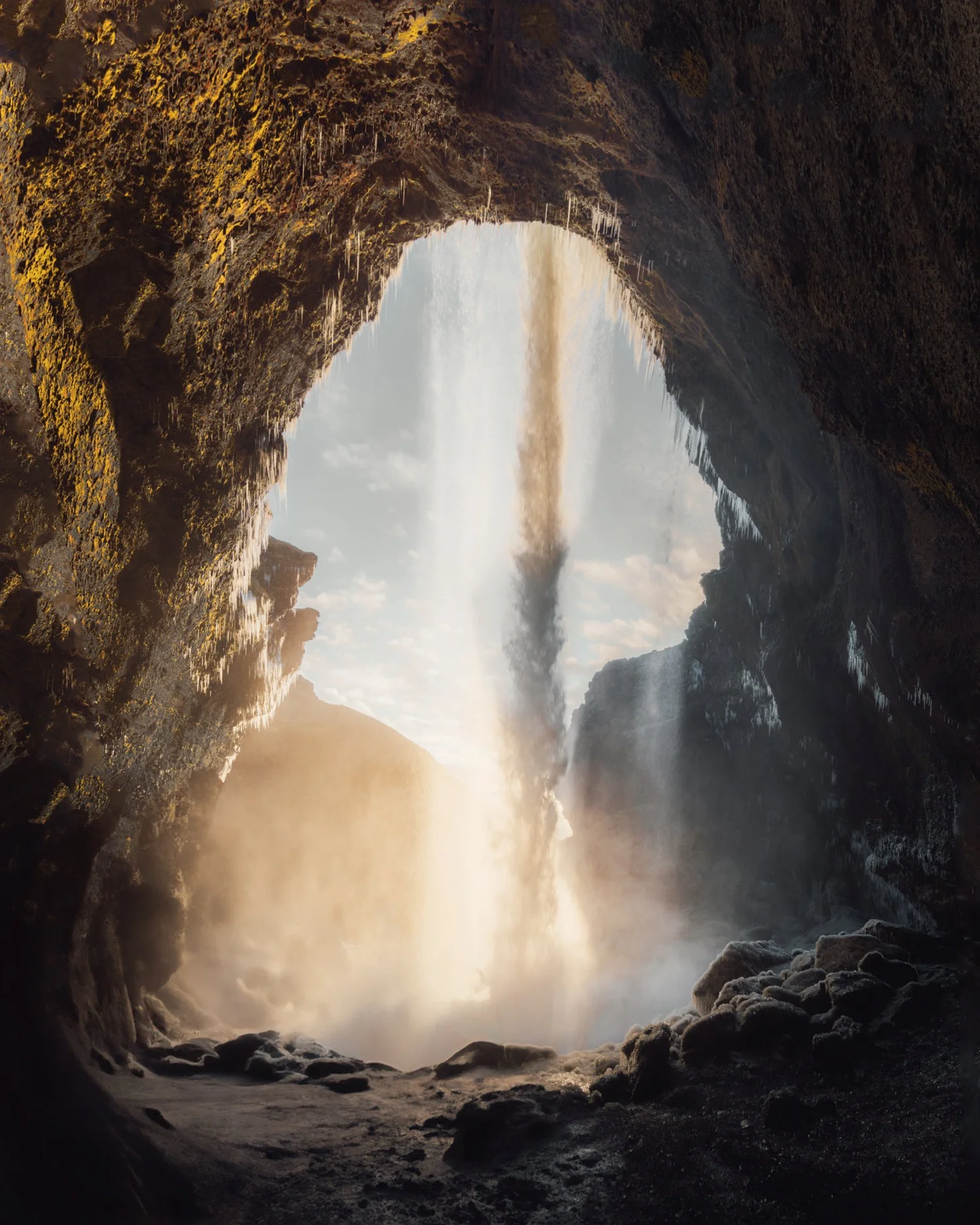
There is a familiar rhythm to the South Coast of Iceland. Seljalandsfoss, Skógafoss, Reynisfjara, Vík. Each place deserves its reputation, but the journey between them is just as interesting as the stops themselves.
The difference between a day spent ticking off landmarks and one that feels genuinely memorable often comes down to small decisions: when to stop, where to spend a little longer, and when to leave a place behind and keep moving.
After years of guiding visitors around Iceland, I’ve come to appreciate that the best itinerary is rarely the one with the most stops. It is the one that leaves enough room to experience the landscape properly.
These are a few places worth considering when exploring the South Coast beyond the usual itinerary.
Írafoss: Take the road less travelled
Not every worthwhile stop on the South Coast comes with a large car park or a queue of visitors. Some places reward those willing to look beyond the familiar names on the map.
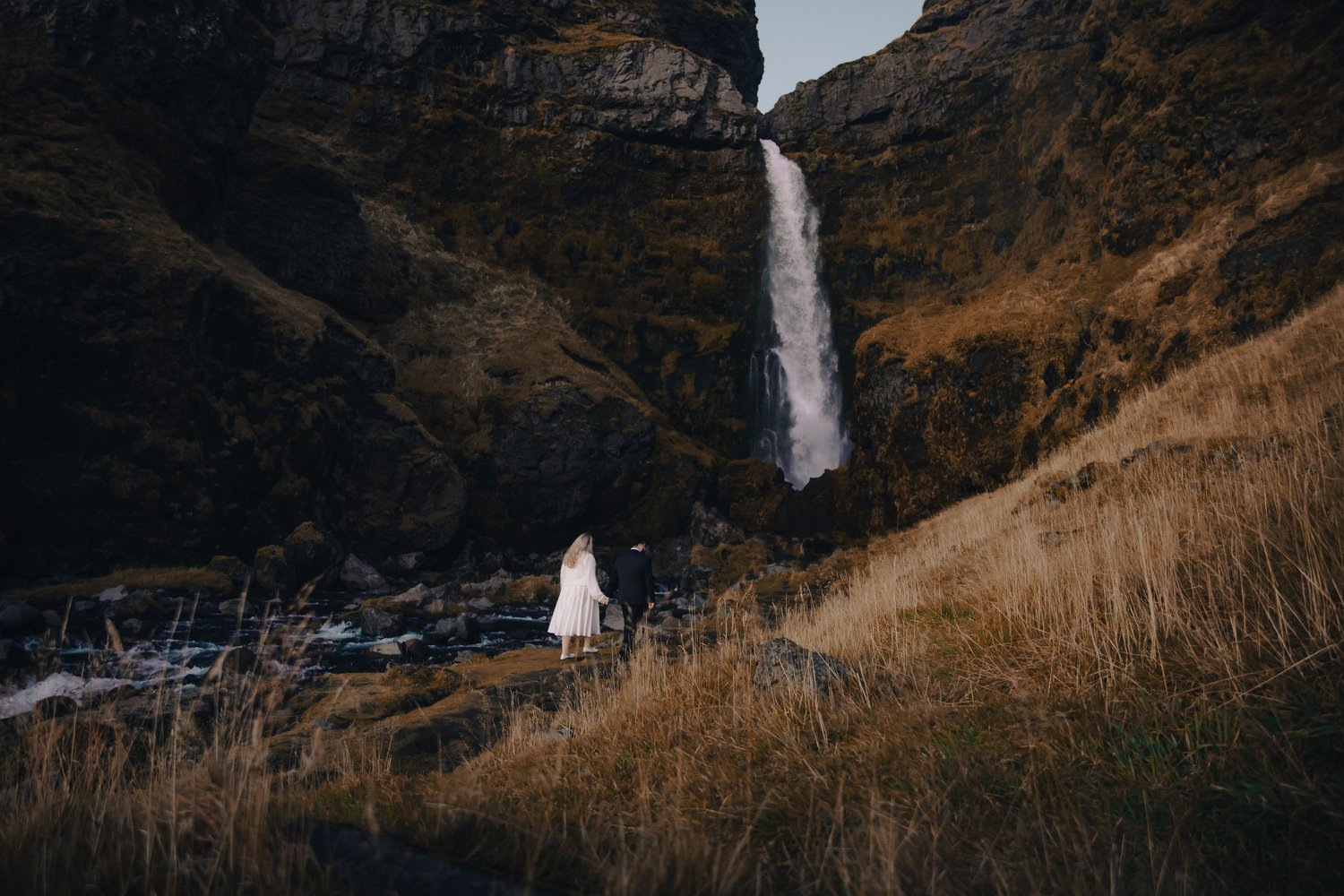
Írafoss is an opportunity to approach the landscape with a little more curiosity. Rather than treating the journey as a sequence of famous attractions, use smaller stops to notice the rivers, rock formations and changing character of the countryside.
The value of a lesser-known location is not simply that fewer people may be there. It is that it can add another perspective to the journey and give you a reason to slow down.
Check the precise location, access and conditions before visiting. Allow time to enjoy the surroundings rather than adding another stop just to take a photograph.
Gluggafoss: A waterfall with a window into the rock
Gluggafoss, also known as Merkjárfoss, has a character that distinguishes it from many of the South Coast’s better-known waterfalls. Water passes through openings in the rock, creating the distinctive forms that give the waterfall its name.
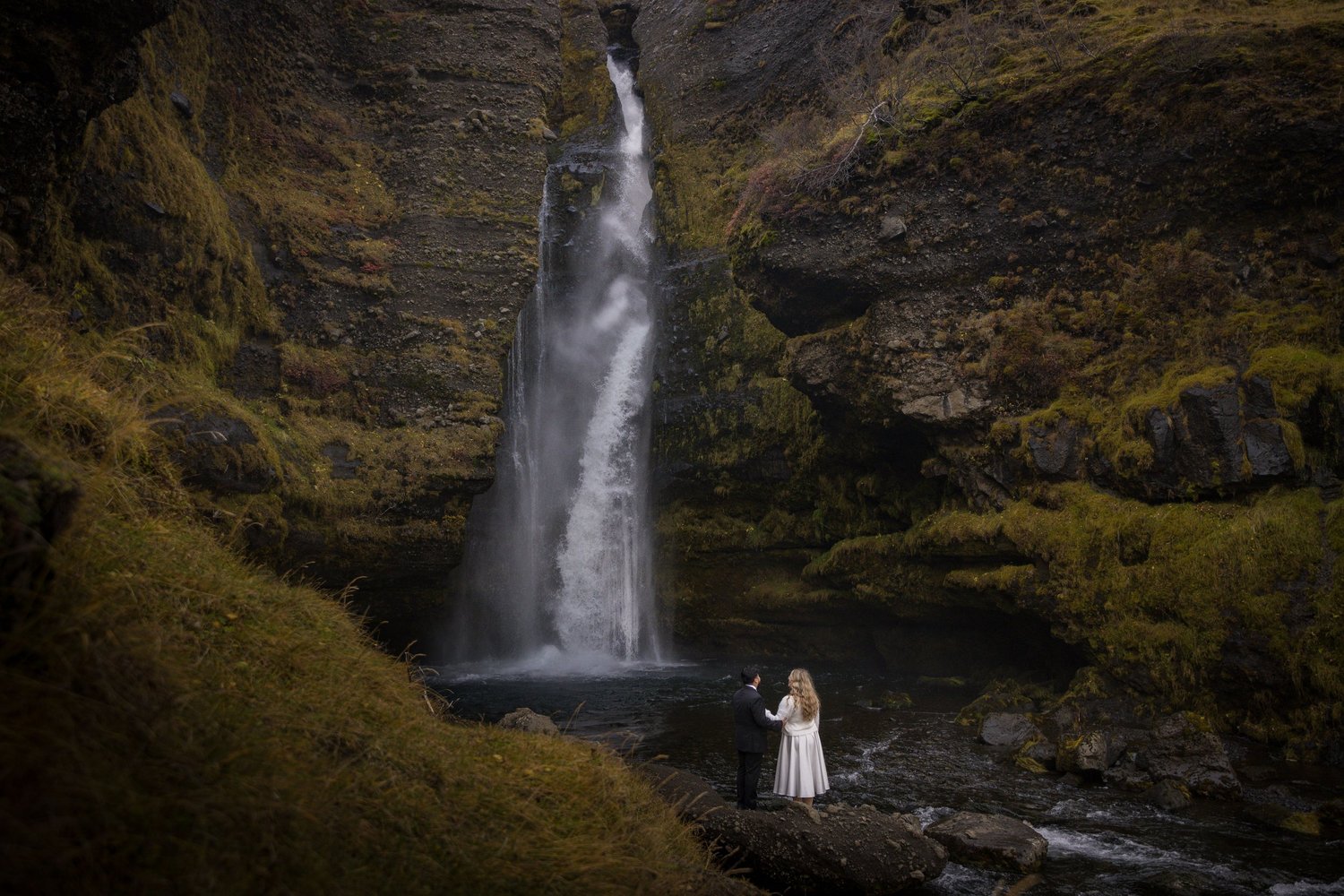
It is worth taking a moment to notice how the water moves through the formations rather than viewing the waterfall only from a distance. The details are what make this place different.
Weather and water flow influence the appearance of waterfalls throughout Iceland. On a day when the light is soft, the textures of the surrounding rock can become just as important as the water itself.
Give yourself time to observe the waterfall from the designated viewpoints. Be cautious around wet or uneven ground, especially in cold weather.
Kvernufoss: Step into the gorge
Skógafoss attracts attention with its scale. Nearby, Kvernufoss offers a different experience: a walk into a narrow gorge where the landscape gradually closes around you.
Rather than a waterfall dominating a wide, open landscape, here you follow the gorge towards the sound of falling water, with steep rock walls drawing your attention inward.
This is a good example of why I prefer choosing experiences that complement one another rather than visiting several places that offer essentially the same view.
If you have time for both Skógafoss and Kvernufoss, experience them differently. Take in the scale of Skógafoss, then slow down for the walk into Kvernufoss. Check trail conditions before setting out, particularly in winter.
Skógafoss: Look beyond the first viewpoint
Skógafoss is one of Iceland’s most recognisable waterfalls, and for good reason. Its broad curtain of water drops from the cliffs above the Skógar area, creating a spectacle that feels powerful in almost any weather.
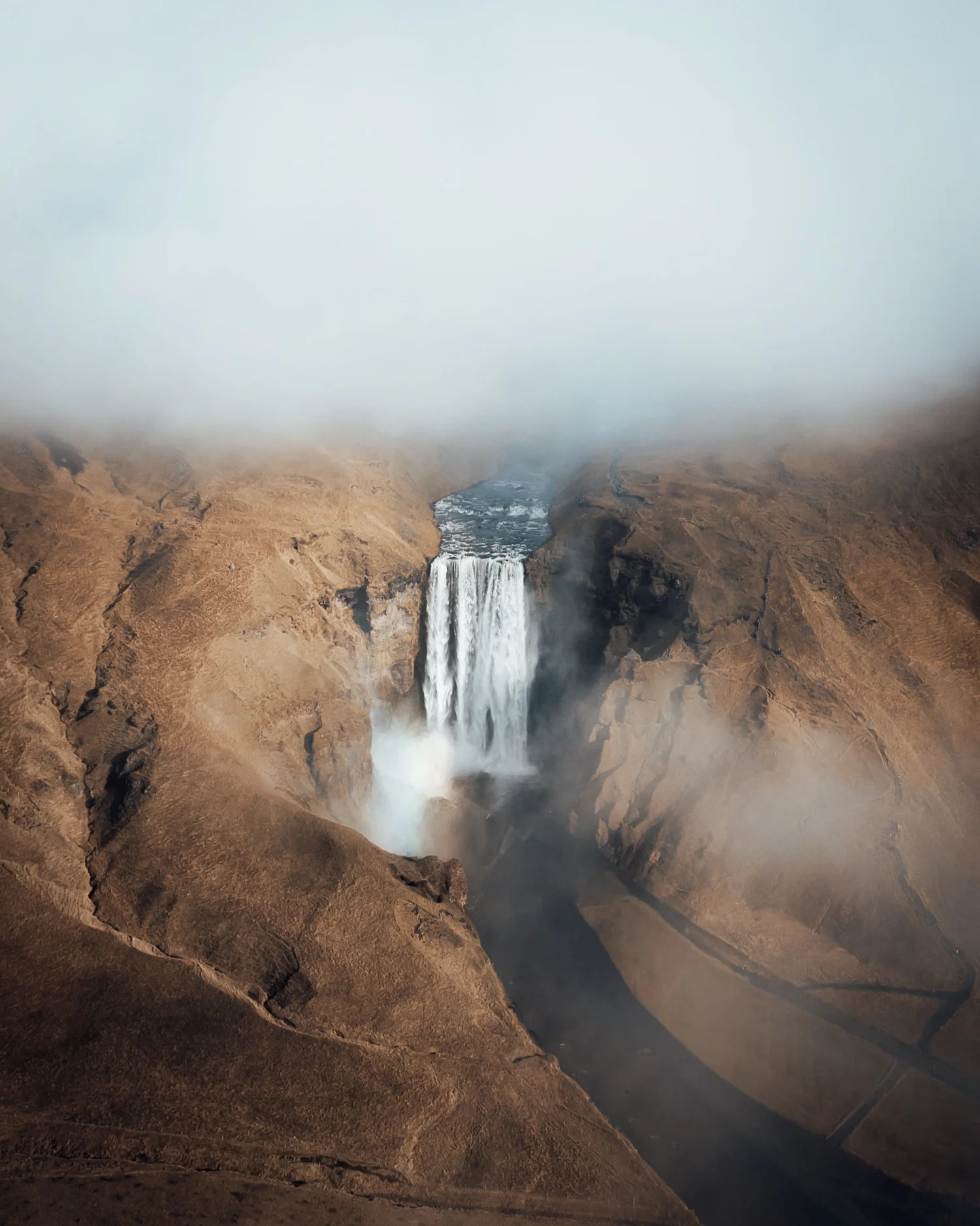
The main viewpoint gives you the full impact of the waterfall. If conditions and your fitness allow, the staircase beside it provides a different perspective from above, with views over the surrounding landscape and access to a longer walking route along the river where you will encounter more of Icelands most beautiful waterfalls.
You do not need to turn every visit into a long hike. Even a little extra time to observe the waterfall from different angles can make the stop feel less hurried.
Expect spray and slippery surfaces close to the waterfall. If you plan to climb the stairs or continue along the river, factor in the extra time and check conditions first.
The best itinerary is rarely the one with the most stops. It is the one that leaves enough room to experience the landscape properly.
Dyrhólaey: More than a viewpoint
Dyrhólaey is a headland overlooking the Atlantic, known for its sea arch, dramatic cliffs and expansive coastal views. From here, the black shoreline stretches towards the Reynisdrangar sea stacks, while inland views reveal another side of the South Coast.
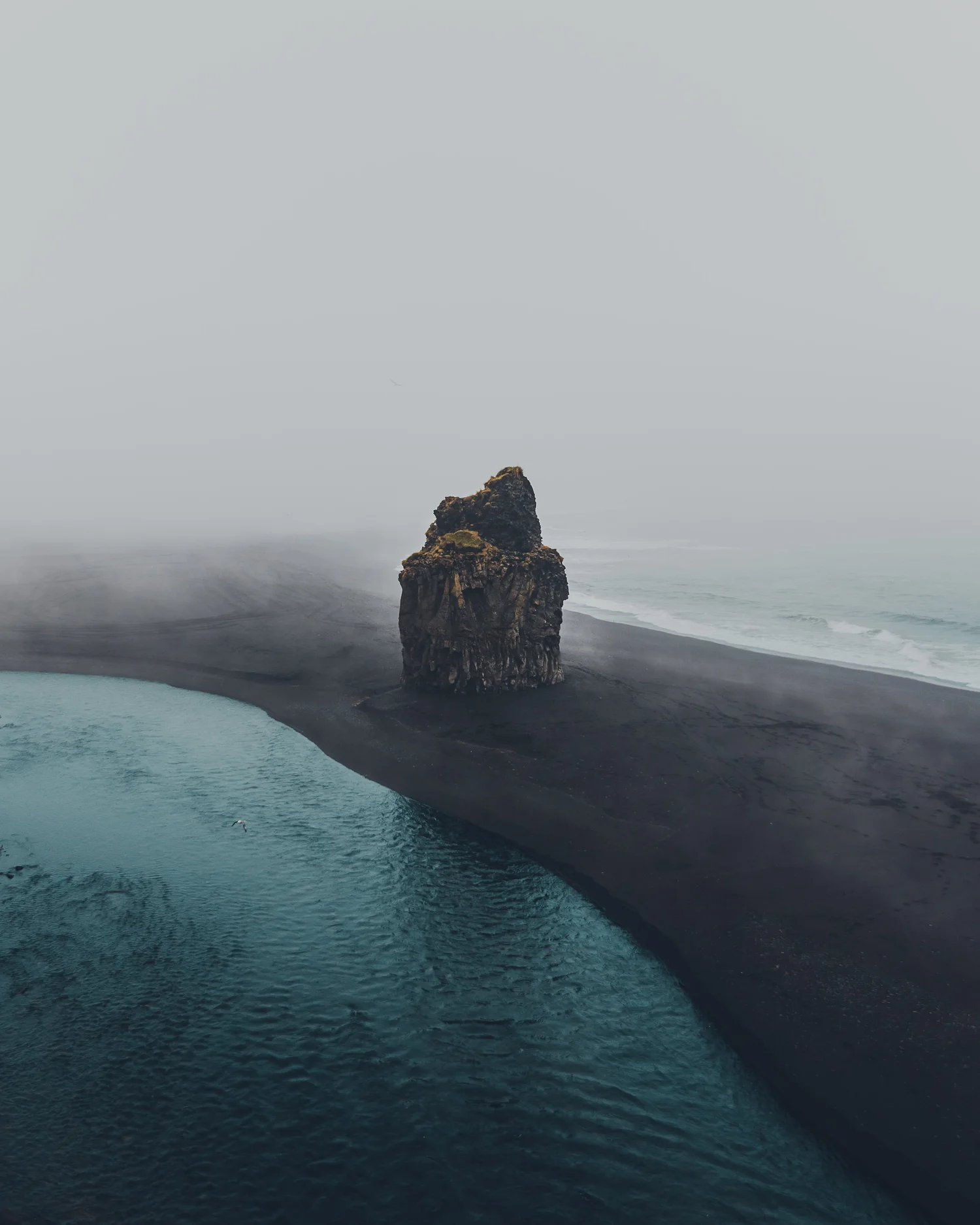
This is a place where the weather becomes part of the experience. On a clear day, the views can extend along the coastline. Under low cloud, the cliffs and sea can feel more atmospheric and dramatic.
Dyrhólaey is also an important bird habitat. Seasonal access restrictions may apply, particularly during nesting periods, so check current notices before visiting and respect any closures.
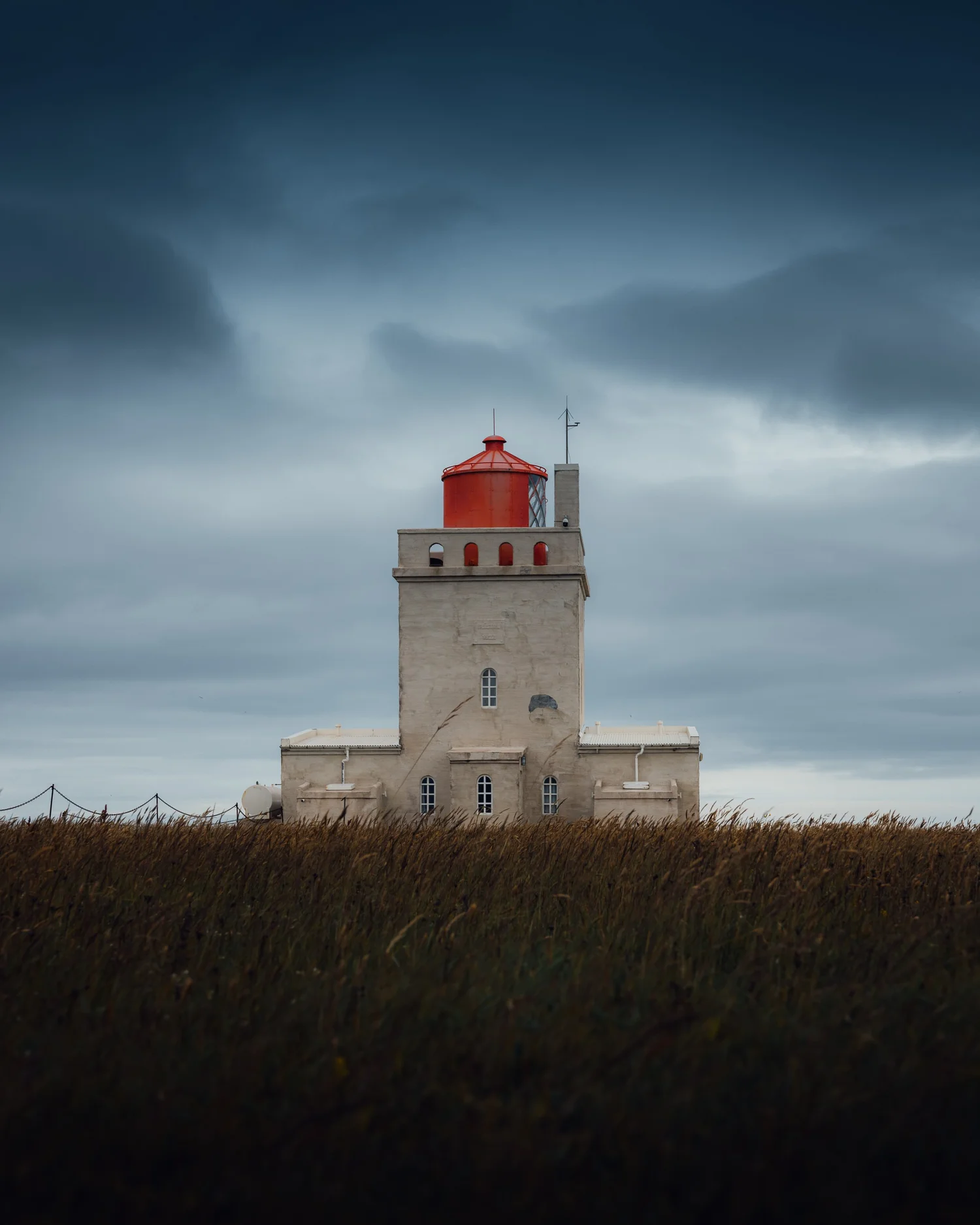
Allow time to explore the viewpoints that are open on the day, rather than stopping only for a quick photograph. Strong winds can make the headland dangerous; follow signs, restrictions and local safety guidance.
Vík: Give the coastline your attention
Vík is often treated as a convenient place to stop on the way east. But the village and its surrounding coastline are worth experiencing in their own right.
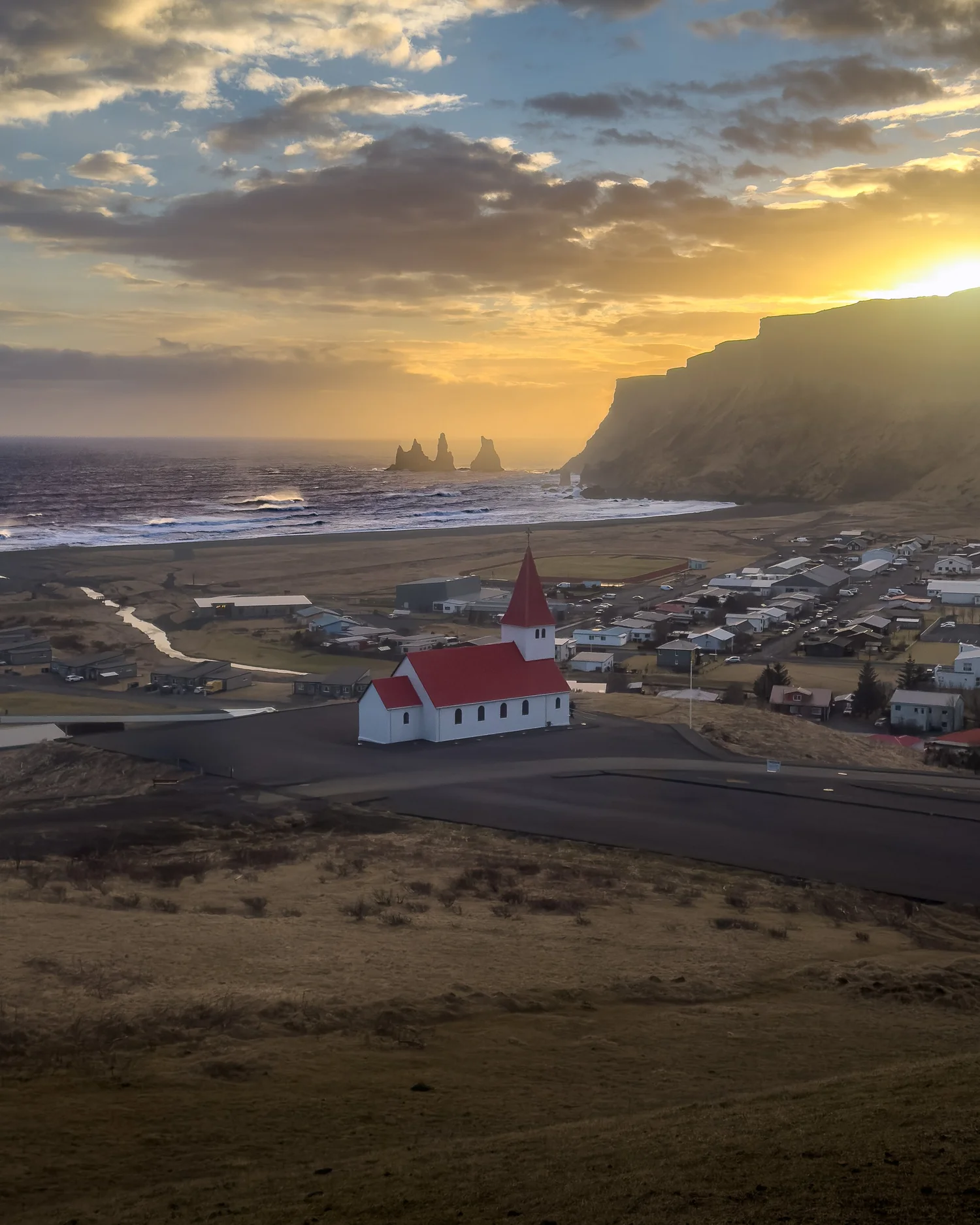
By the time you reach Vík, you have travelled through several distinct landscapes: green farmland, waterfalls, volcanic terrain and black-sand coastline. The scenery around the village brings many of those elements together.
Nearby Reynisfjara is famous for its black sand, basalt columns and sea stacks. It is spectacular, but it is also a place where visitors must take the ocean seriously.
Sneaker waves can reach much farther up the beach than expected. Keep a substantial distance from the water, obey warning signs and local instructions, and never turn your back on the sea. If conditions are dangerous, admire the coastline from a safer viewpoint instead.
If you are behind schedule when you reach Vík, resist the temptation to rush through the rest of the journey. Simplify the afternoon or stay overnight rather than turning the South Coast into a race against the clock.
A different way to explore Iceland
Less rushing.
More experiencing.
The South Coast is famous for good reason. Its waterfalls, cliffs and black-sand beaches offer an extraordinary introduction to Iceland.
But the experience does not have to end with the familiar landmarks. Take the time to notice the details. Allow the weather to influence your plans. Choose a short walk over another rushed photo stop.
A good journey is not measured by how many places you manage to visit. It is measured by how much you get to experience along the way.
Iceland is best explored with curiosity, flexibility and respect for the landscape.